
A comprehensive look at the October 2025 interest rate decision, its reasoning, and the ripple effects across Canada’s economy and housing market.
- Policy Rate Chart
- Housing Price Trends
- New Home Price Index
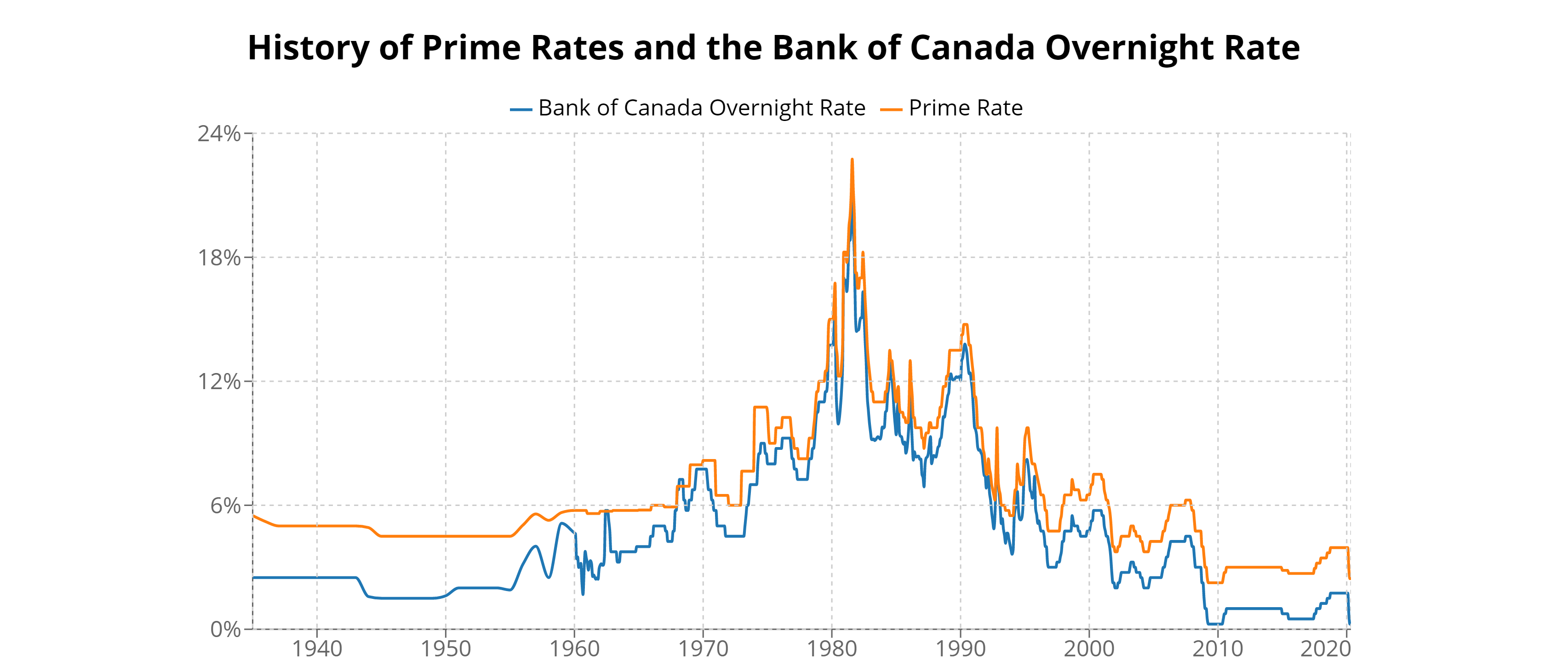
The chart above shows how the Bank of Canada has gradually shifted from its tightening stance toward easing, bringing the overnight rate down to 2.25% as of October 2025. After two years of elevated rates, this is a signal that the central bank sees growth risks outweighing inflation concerns.
Canadian home prices remain elevated, particularly in Ontario and B.C., though momentum has slowed since mid-2024. The Bank’s rate cut may provide some near-term relief to variable-rate borrowers and first-time buyers, but affordability challenges and supply shortages continue to shape the market.
The New Home Price Index reflects that some regions, especially in Ontario and the Prairies, have experienced mild price declines in new builds. Builders are cautious amid cost pressures and slower demand — but the lower rate may revive construction and investment confidence in 2026.
Why Did the Bank of Canada Cut Rates?
The Bank of Canada’s decision to trim the overnight rate by 25 basis points to 2.25% was driven by three key realities:
- Slowing Economic Growth: Canada’s GDP growth has cooled, with manufacturing and exports under strain. The central bank noted “excess capacity” — meaning supply is outpacing demand in several sectors.
- Soft Labour Market: Unemployment is near 7.1%, and wage growth is flattening. This signals less inflationary pressure from jobs.
- Stable Inflation Outlook: Inflation is near 2.4%, close to the target. The BoC feels comfortable easing slightly without reigniting price surges.
Impact on the Canadian Real Estate Market
The immediate beneficiaries of the rate cut are variable-rate mortgage holders and new buyers entering the market. Banks typically follow BoC moves by adjusting their prime rates, resulting in lower monthly payments and increased affordability.
- 🏠 Increased Buyer Activity: Lower borrowing costs can bring sidelined buyers back, especially in suburban markets like Brantford, London, and Niagara.
- 📈 Moderate Price Growth: While a surge is unlikely, stable to modest growth is expected as consumer confidence returns.
- 💰 Investment Opportunities: Real estate investors and developers may find financing conditions more favourable, improving project feasibility.
- ⚠️ Affordability Challenges Persist: High home prices and limited supply continue to keep many potential buyers locked out.
As seen above, mortgage rates closely follow the Bank’s policy trend. This easing cycle could signal a period of lower financing costs through mid-2026 — a potential turning point for the housing market.

What’s Next for the Canadian Economy?
While the Bank of Canada has shifted toward a more supportive stance, it remains cautious. The next few months will depend heavily on global trade stability and domestic job growth. The central bank hinted that further cuts are possible if economic weakness persists.
For Canadians, this is a window of opportunity — especially for homebuyers, investors, and anyone managing variable debt. However, smart financial planning remains key, as rate paths can shift quickly if inflation or global conditions change.
